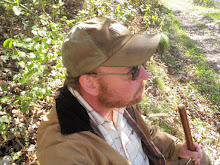
Monsters! is a chapter of my unpublished Memoir Up on Downer
For most of the decade of the 1970s, I was on a monster kick. It began around first grade when inspired by movies on television. I organized a club called “The Junior Vampire Club.” A club in name only, it consisted of me and two brothers named Max and Dietz who also attended Hartford Elementary. We scared girls by following them around exposing our teeth and generally acting like lunatics. Mom had a black cape with a red satin liner that made the perfect Dracula costume, never mind that it was too big for me. I wore it to school, and spent recesses hanging upside down from jungle gyms trying to simulate a vampire bat. We actually believed we would turn ourselves into vampires by acting like this. Instead, all we ended up with was a headache. In some way, I think the club was a vehicle for the three of us outcasts to form an identity that placed us outside the normal regimen of harassment by class bullies. Although three small kids running around in fake plastic fangs chasing girls should have caused us to be even more of a target, in reality, the bullies left us alone, never certain if there might be some remote possibility that we actually were vampires. Fueling the vampire craze was my possession of the 1972 paperback copy of In Search of Dracula by Rand McNally. It became our bible.
I began collecting everything that glowed in the dark. In the early ‘70s, phosphorescent toys were everywhere. I naturally assumed that if it glowed in the dark, then it must be associated with monsters. I had several glow-in-the-dark balls, skeletons, adhesive eyes, monster fangs, spiders, etc. I spent hours in my closet with the door shut sporting glowing fangs and looking in a mirror. My room in those days was decorated in a horror décor. Rubber skeletons hung from the ceiling, and rubber and plastic masks were everywhere. Monster models and skeletons from the Pirates of the Caribbean crowded the top of my shelves and desk. Many of the children’s books I had were also monster related. I guess it was easy for relatives to buy presents for me, given my one-track mind. Any friend that came over in those days was forced into a game of monsters regardless of their wishes. Even my handmade cards for holidays and birthdays had a monster motif. I still have a card I made for my Dad’s birthday. For some reason, I put a clay skeleton inside with the caption “X-ray machine.” Dad managed a half-smile and said something like “Oh good, a skeleton! How morbid.” In craft class at school, while other kids were making bowls and ashtrays, I was sculpting skulls and bones out of clay. It was all consuming. I ate Monster Cereal, took Monster Vitamins, and bathed with Monster Bubble bath. I drank my milk out of monster glasses given away at gas stations. It was easy with monster merchandise filling retail shelves and rummage sales in the 1960s and ‘70s. Even the Christmas cookies I made with Mom tended to be skeletons and zombies instead of Santa. Horror films inspired me to try to create my own haunted house. I made poorly constructed but elaborate haunted house models out of black construction paper complete with features such as trick staircases, hidden entrances, and trap doors. Most all of my television watching apart from Sesame Street and Captain Kangaroo was monster related.
A favorite book that I borrowed from the school library incessantly was called Spooky Magic. Other than monsters, magic was number two on my list of childhood obsessions. The book showed you how to perform such tricks as the chopped-off finger illusion, how to make yourself appear to float, and the haunted handkerchief. Together with another neighborhood kid, I ran the magic show at the Hartford Elementary ‘Fun-Faire’ one year. Using a black-light bulb purchased at the Downtown store Potato Brothers; my handkerchief illusion went down quite well, considering I botched most of the other tricks.
The greatest fuel to the monster obsession came in 1975 with the purchase of the Scholastic book Movie Monsters. This book detailed not only the great creatures of the classic Hollywood movies, but also had an extensive section of do-it-yourself costume creation. Here was a book after my heart. Since I never had any money to spend, and Mom and Dad were not only poor, but also sick of buying anything for me even remotely monster related, I could now transform myself into monsters at will with simple household items. Following the detailed and richly illustrated instructions, I created:
A Frankenstein head out of a paper bag, green paint, cotton balls, paper mache, and fake hair.
A Wolfman costume by gluing fake hair on my face and rubber gloves using eyelash adhesive, and finished up with blackening the tip of my nose with eyelash pencil.
A zombie outfit in part by using food coloring to make my teeth look rotten, and elmers glue to wrinkle my skin.
Dressing up as a monster may have been socially acceptable at Halloween, but what was I to do the other 364 days of the year? Once I had transformed myself into one of the famous monsters, I often ran around the neighborhood hiding in bushes and trying to scare passers-by. I am lucky I never got maced by a pissed off coed. Perhaps I got away with it because I looked ridiculous. A skinny freckled kid with a green paper bag Frankenstein hat with red hair sticking out wildly from below was not quite the thing nightmares are made of. I probably caused more stomachaches from laughter than heart attacks. Having red hair sucked if you wanted to be a monster. No monster in the movies had red hair. When I dressed up as Dracula, I spent hours with magic markers trying to make my hair black. When Mom saw this, she asked if I had used permanent markers. “Huh?” I responded. After trying to wash it and cut it out with scissors, Mom sat back, lit a cigarette and said, “Well, I guess you will just have to go to school that way.” For weeks, I looked like I had mange.
As a kid on a monster kick, I desired one thing above all others, a real skeleton. I had rubber skeletons, the skeleton from a ‘Visible Man' model, and paper skeletons that glowed in the dark, but what I wanted was a real skeleton. I actually had part of one. I found a complete leg of a human anatomy skeleton in Downer Woods that must have been stolen from the University during some drunken prank. It was wired together. I had it in our back yard, until years later as an adult I suddenly realized how strange it might seem to someone to find ‘human remains’ in our yard. I doubt the police would take kindly to it, and I could almost hear my father trying to explain it while scratching his head and exclaiming, “Now how the hell did that get there?” It was summarily tossed in the trash.
The next best thing to having a human skeleton would be to have skeletons of large animals or dinosaurs. By coincidence, a neighborhood friend of mine named Carl who was into monsters and magic in the ‘70s as I was, had a sister that lived in Wyoming. She had told Carl that there were skeletons of horses and cattle just lying around, and that if we would pay the shipping, she could collect some and ship them to Milwaukee. Soon a very large box was delivered to his house. We opened it and were greeted by several grinning skulls. We were also greeted by the stench of rotting flesh. These skulls were not yet bleached white, and in nooks and crannies, they contained nasty yellow and brown rotting ooze. It stank like nothing I have ever smelled before or since. I carried my two skulls home and had barely gotten in the door when both of my parents stood up and sniffed at the air in suspicion, their noses crinkled up in dismay. “Ugh, get those things out of here!” Mom ordered. I placed them in the back yard in the hope that with time, they would stop smelling and I could bring them into my room. The first month they attracted thousands of various insects. Neighborhood dogs sniffed the air and crossed the street howling. My parents threatened to disown me. I stuck to my guns, though. After several years, they finally became clean enough to touch and play with, but by that time I was in high school and not interested in them anymore.
When Mom and I attended Summerfest, Milwaukee’s huge music and entertainment event, or the State Fair, (Dad never went along) I always got to choose one game or ride in the midway. I remember looking forward to being able to go on the haunted house ride by myself. I think you had to be ten in order not to have the accompaniment of a parent. The ride looked so cool with its screaming, hideous laughter and moans issuing from the loudspeakers, wildly painted spooks, and was topped by a giant witch complete with broom that actually moved back and forth. The guy taking the tickets looked like an authentic zombie too, and didn’t seem to be wearing any makeup. I got a dollar for the ticket from Mom, and seated in the little cart, awaited the forthcoming fright with my imagination on overdrive. From the beginning, it was one of the single worst disappointments of my childhood. The cart didn’t travel smoothly; instead, it lurched sickeningly forward in spurts that gave me whiplash. It seemed at any second that the cart would come off the tracks, and thus it was the scariest part of the ride. As the cart traveled into the haunted house, various screams issued from half broken loudspeakers. It began to get dark, and hidden fake cobwebs brushed against my hair. The cobwebs contained a paper hat from a hamburger franchise that must have been knocked off another kid’s head and lodged there. It fell in my lap. Soon a door appeared ahead with a skull and question mark illuminated by black light. My cart stopped, as the kid in front of me went in the door. There was a high piercing cackle and scream, and then my cart went in. It was dark in the little room, but suddenly a light flashed on and a witch mannequin that was inferior even to my own Halloween creations bowed its ugly head at me. It gave me a startle, but was not scary in the right way. After three more rooms containing a zombie that looked like the cousin of the guy taking the tickets, a skeleton painted on a wall, and more fake cobwebs, the cart briefly made its way through a space near the top open to the air. I think it was intended to allow the ticket guy to make sure none of us had fallen out of the rickety carts or committed suicide out of boredom. If you turned the other way like I did and looked into the ride at this point, you could see a large crack that must have allowed the ride to fold in half. Through the crack, several teenage ‘carnys’ were visible standing on scaffolding and smoking. The rest of the ride is not worth describing except to say that people on acid trips must have painted the black light illuminated monsters. Each one was more colorful than the last. The piped in screams seemed designed to be loud enough to cover the laughter and groans of the riders. Getting out of the cart at the end of the ride, I noticed a large sign facing towards those finishing the ride. It read: “No Refunds!”
Showing posts with label Up on Downer. Show all posts
Showing posts with label Up on Downer. Show all posts
Saturday, February 6, 2010

The Children of Summer
The following is an excerpt from my unpublished memoir Up on Downer, a story of growing up in the 1970s in a house filled with music and art and imagination on a street with a name which I thought at the time, caused all of us to be depressed. EH
There is a single expectant moment in each child’s life that is longed for through the endless winters spent confined to the schoolroom. A moment that lingers just beyond grasp throughout the greening spring. That moment is the second the last school bell rings in June, signaling the glorious freedom of summer vacation.
The walk home from the school, which lingers in winter with snowball fights and snow angels, on this day is announced by the flurry of pounding feet and joyful laughing, and can be followed by a literal paper trail of abandoned homework, test papers, and art work fluttering in the breeze like so many shorn fetters.
The plans for summer were always vast and uncertain. There were endless baseball games to be played, kings to be made, trees to be climbed, forts to be built, ravines to be explored, and friendships to be re-affirmed.
Time in summer passed at a different rate, and often seemed to stand still altogether. The hours drifted by like the clouds above, aimless, changing, and slow. With the arrival of summer came the arrival of the hot and humid Midwest weather. Parents wiped their brows against it, while we children breathed it in like the aroma of freedom.
With the exception of meals, our parents saw little of us. We left the house in the morning and were called home in the evening by our mothers. We ran to every destination, as if by getting there sooner, we could make the summer last longer.
After I was called home, Mom, Dad and I would sit on the front porch sipping cool drinks, listening to the falling silence and the pulsing of crickets, and awaiting the longed for gentle whispers of cool evening breezes to dispel the heavy daytime air. Summer on the porch was a time to cherish sunsets. The setting sun came late enough in summer that as it blossomed, exploded in color, and faded into starry night, I was already as tired as the day was long. Smelling the sweet aroma of newly cut grass, I could listen to the comforting murmurs of my parents and the sounds of water droplets falling from our sprinkler. I would nod off while watching the dances of mayflies and moths congregating around street lamps like living halos.
Summer thunderstorms came weekly, and were more violent and spectacular to a child then they ever have been since. Thunder crashed and lightning flickered as I peeked out from under blankets. Rain fell so thick that I thought the house would be swept away, and afterward, the smell of ozone would mingle with the delightful chirping of robins. Each storm was a singular event, and was as unlike the one before it as it was the one after. Storms were feared, as if tomorrow was not guaranteed, and I often thought that during an especially close strike of lightning, the entire universe might cease to exist.
For most of the summer, we were covered in layers of dirt, and our pants sported huge grass stains. Our new tennis shoes were full of mud, and if one came home not badly in need of a bath then one thought the day wasted. Gentle rains were vehicles of play, and every puddle had to be jumped in. Every tree was a measure of our manhood, and we climbed each available limb. Dandelions had to be picked and thrown at each other, lest the summer be wasted. Butterflies were chased, frogs and crawfish collected, and bugs of every type put into jars to be studied at leisure.
The grass in our back yard was thick and luxurious, and I still remember the tickle against my bare feet. Something about lying on the grass in the warm sun reading made every book seem better than if it was read indoors.
When Dad put out the sprinkler on a hot afternoon, the resulting frolic through the cold water was an experience never to be bettered. Every child in the neighborhood had a vast supply of balloons to be filled with water, and great chases and wars were commenced with giggling and screaming. There was nothing so satisfying in the entire world as a good supply of water-balloons in hand, except for possibly a pocket full of firecrackers.
We hoarded fireworks all summer in anticipation of the forth of July. We found them in area parks and the lakefront. Older people with less appreciation and more money dropped them while setting them off. No trip to the lakefront was complete unless a couple of bottle-rockets and firecrackers were scooped up from the grass and hidden away in our pockets. Every bang was cherished. Whole hours were spent planning and debating which neighbor would be the victim of a time delay fused cracker, or which of us would supply a treasured plastic model to be sacrificed to our unquenchable desire for explosions.
We packed pistols of the water variety, and each boy’s pants or shirt had a telltale stain of water to reveal the concealed weapon. We squirted each other, neighborhood cats and dogs, anthills, and even used the squirt guns as water bottles, drinking from the muzzle in the heat of the sun.
Time being endless, fresh and young, I spent whole afternoons searching every square inch of our backyard for four leafed clover, assured by my father that if I just tried hard enough, I could find one and make a wish. Dad, of course, knew that the longer I spent on my hands and knees in the grass, the more peace and quiet he was assured. To that effect, I was also paid a penny for every fly I killed around the house. I used a large rubber band knotted at the tip. Hundreds of flies met their death this way, but it never seemed to make a dent in their population, and I never got rich.
Once or twice every summer, we built homemade tents in the backyard, and with permission from Mom and Dad, retired to them with a stash of cookies and our trusty cork-gun, to spend the night safari style in the forbidding dark of the jungle. After several hours of darkness, the quiet of night would begin to creep over us and unknown rustling noises, bird calls, and things that go bump in the night would drive us to the safety of our bedrooms.
Sometime in August, we would begin to realize that eternity was not eternal, and that in a number of days carefully cherished and crossed off the calendar each night, we would have to return to captivity in the classroom. Once this point was reached, every day became an exercise in packing in as much fun as possible to last us through the long drought of learning ahead. The evenings became cooler, and the smell of autumn and books permeated the air.
Once back in school, the first task was to write a single page essay on what we did on our summer vacation. Despite an entire lifetime of living squeezed into three months full of adventure and discovery, we struggled to fill a single paragraph with anything that we thought mattered. What we never knew is that all of what was really important, was what we never wrote about; the precious trivialities of childhood in summer, which only later would be recognized as the greatest times of our lives.
There is a single expectant moment in each child’s life that is longed for through the endless winters spent confined to the schoolroom. A moment that lingers just beyond grasp throughout the greening spring. That moment is the second the last school bell rings in June, signaling the glorious freedom of summer vacation.
The walk home from the school, which lingers in winter with snowball fights and snow angels, on this day is announced by the flurry of pounding feet and joyful laughing, and can be followed by a literal paper trail of abandoned homework, test papers, and art work fluttering in the breeze like so many shorn fetters.
The plans for summer were always vast and uncertain. There were endless baseball games to be played, kings to be made, trees to be climbed, forts to be built, ravines to be explored, and friendships to be re-affirmed.
Time in summer passed at a different rate, and often seemed to stand still altogether. The hours drifted by like the clouds above, aimless, changing, and slow. With the arrival of summer came the arrival of the hot and humid Midwest weather. Parents wiped their brows against it, while we children breathed it in like the aroma of freedom.
With the exception of meals, our parents saw little of us. We left the house in the morning and were called home in the evening by our mothers. We ran to every destination, as if by getting there sooner, we could make the summer last longer.
After I was called home, Mom, Dad and I would sit on the front porch sipping cool drinks, listening to the falling silence and the pulsing of crickets, and awaiting the longed for gentle whispers of cool evening breezes to dispel the heavy daytime air. Summer on the porch was a time to cherish sunsets. The setting sun came late enough in summer that as it blossomed, exploded in color, and faded into starry night, I was already as tired as the day was long. Smelling the sweet aroma of newly cut grass, I could listen to the comforting murmurs of my parents and the sounds of water droplets falling from our sprinkler. I would nod off while watching the dances of mayflies and moths congregating around street lamps like living halos.
Summer thunderstorms came weekly, and were more violent and spectacular to a child then they ever have been since. Thunder crashed and lightning flickered as I peeked out from under blankets. Rain fell so thick that I thought the house would be swept away, and afterward, the smell of ozone would mingle with the delightful chirping of robins. Each storm was a singular event, and was as unlike the one before it as it was the one after. Storms were feared, as if tomorrow was not guaranteed, and I often thought that during an especially close strike of lightning, the entire universe might cease to exist.
For most of the summer, we were covered in layers of dirt, and our pants sported huge grass stains. Our new tennis shoes were full of mud, and if one came home not badly in need of a bath then one thought the day wasted. Gentle rains were vehicles of play, and every puddle had to be jumped in. Every tree was a measure of our manhood, and we climbed each available limb. Dandelions had to be picked and thrown at each other, lest the summer be wasted. Butterflies were chased, frogs and crawfish collected, and bugs of every type put into jars to be studied at leisure.
The grass in our back yard was thick and luxurious, and I still remember the tickle against my bare feet. Something about lying on the grass in the warm sun reading made every book seem better than if it was read indoors.
When Dad put out the sprinkler on a hot afternoon, the resulting frolic through the cold water was an experience never to be bettered. Every child in the neighborhood had a vast supply of balloons to be filled with water, and great chases and wars were commenced with giggling and screaming. There was nothing so satisfying in the entire world as a good supply of water-balloons in hand, except for possibly a pocket full of firecrackers.
We hoarded fireworks all summer in anticipation of the forth of July. We found them in area parks and the lakefront. Older people with less appreciation and more money dropped them while setting them off. No trip to the lakefront was complete unless a couple of bottle-rockets and firecrackers were scooped up from the grass and hidden away in our pockets. Every bang was cherished. Whole hours were spent planning and debating which neighbor would be the victim of a time delay fused cracker, or which of us would supply a treasured plastic model to be sacrificed to our unquenchable desire for explosions.
We packed pistols of the water variety, and each boy’s pants or shirt had a telltale stain of water to reveal the concealed weapon. We squirted each other, neighborhood cats and dogs, anthills, and even used the squirt guns as water bottles, drinking from the muzzle in the heat of the sun.
Time being endless, fresh and young, I spent whole afternoons searching every square inch of our backyard for four leafed clover, assured by my father that if I just tried hard enough, I could find one and make a wish. Dad, of course, knew that the longer I spent on my hands and knees in the grass, the more peace and quiet he was assured. To that effect, I was also paid a penny for every fly I killed around the house. I used a large rubber band knotted at the tip. Hundreds of flies met their death this way, but it never seemed to make a dent in their population, and I never got rich.
Once or twice every summer, we built homemade tents in the backyard, and with permission from Mom and Dad, retired to them with a stash of cookies and our trusty cork-gun, to spend the night safari style in the forbidding dark of the jungle. After several hours of darkness, the quiet of night would begin to creep over us and unknown rustling noises, bird calls, and things that go bump in the night would drive us to the safety of our bedrooms.
Sometime in August, we would begin to realize that eternity was not eternal, and that in a number of days carefully cherished and crossed off the calendar each night, we would have to return to captivity in the classroom. Once this point was reached, every day became an exercise in packing in as much fun as possible to last us through the long drought of learning ahead. The evenings became cooler, and the smell of autumn and books permeated the air.
Once back in school, the first task was to write a single page essay on what we did on our summer vacation. Despite an entire lifetime of living squeezed into three months full of adventure and discovery, we struggled to fill a single paragraph with anything that we thought mattered. What we never knew is that all of what was really important, was what we never wrote about; the precious trivialities of childhood in summer, which only later would be recognized as the greatest times of our lives.
Subscribe to:
Posts (Atom)